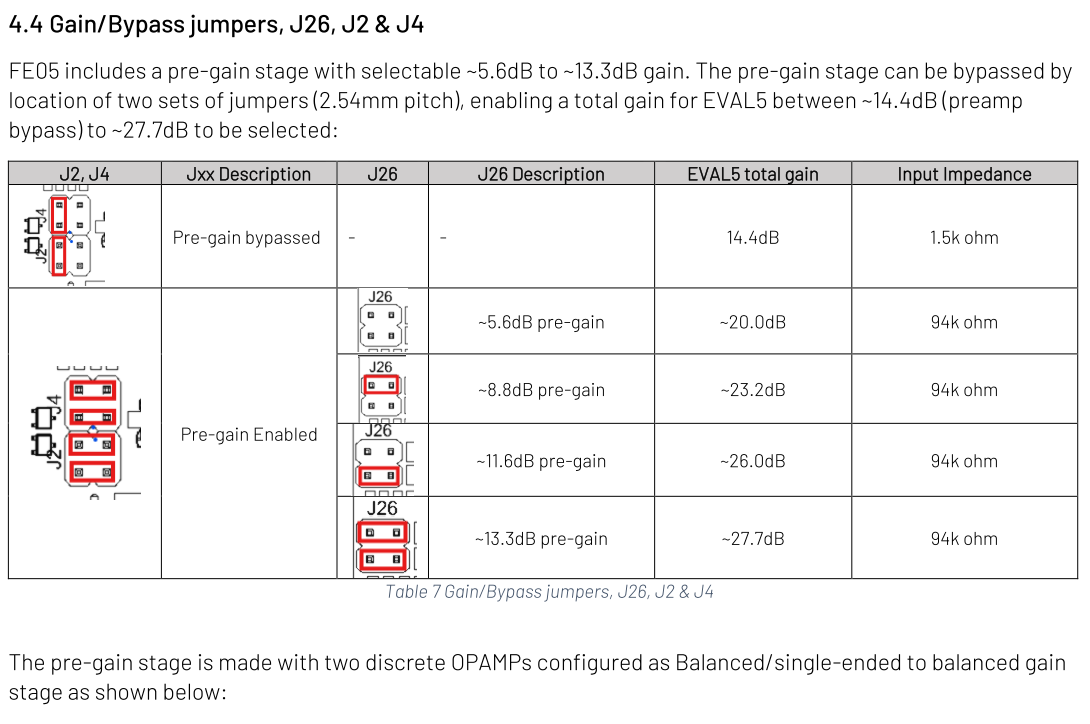
Perhaps Neurochrome has based their new Purifi board design off of that, the Purifi EVAL5 board offers "Total system gain options of: 13.5dB, 20dB, 23dB, 26dB & 27dB" but doesn't offer 29dB Gain so isn't quite suitable for 2V RCA sources like the P801 provides, is the reason that Purifi left out that gain option because they utilise the Hypex SMPS1200A180 PSU which will not yield full power output anyway?
Alan... have you thought of prioritizing your business for the US market? I'm talking about advertising in well-established, wide-circulation magazines such as Audioholics and Secrets, as well as attending consumer audio shows like CES, CEDIA, and AXPONA, which is currently ongoing (or may have already concluded). It will be in Chicago, IL, from April 10 to 12 next year, so there's plenty of time to prepare. The travel cost from Australia might be a bit of a pinch, but the exposure will be worth it. These shows attract many European and Asian audio manufacturers, even though some focus more on video and technology gadgets than audio.
SmartOne_2000wrote:
Alan... have you thought of prioritizing your business for the US market? I'm talking about advertising in well-established, wide-circulation magazines such as Audioholics and Secrets, as well as attending consumer audio shows like CES, CEDIA, and AXPONA, which is currently ongoing (or may have already concluded). It will be in Chicago, IL, from April 10 to 12 next year, so there's plenty of time to prepare. The travel cost from Australia might be a bit of a pinch, but the exposure will be worth it. These shows attract many European and Asian audio manufacturers, even though some focus more on video and technology gadgets than audio.
The business already does well in the US. We also have lots of plans for growth that include the US, but right at the moment, until the unpredictable situation with Trump is resolved we won't be investing money in the US. Too much risk.
Plenty of other markets to concentrate on in the meantime. Markets that are growing because of Trumps actions.
SmartOne_2000wrote:
322
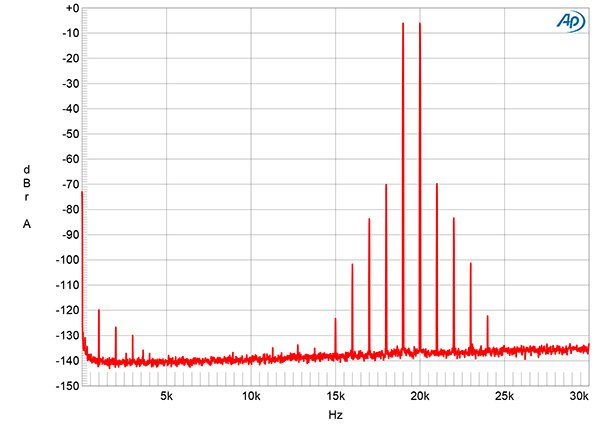
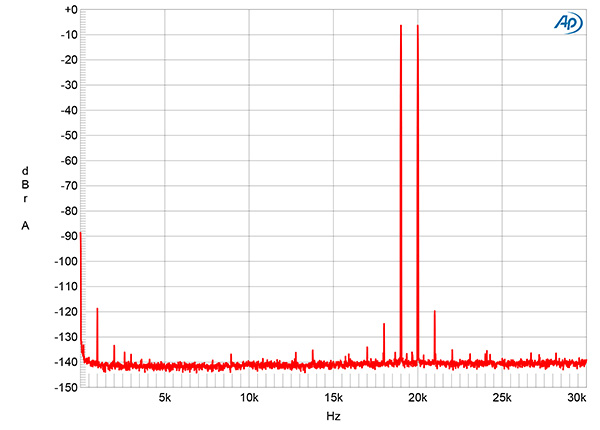
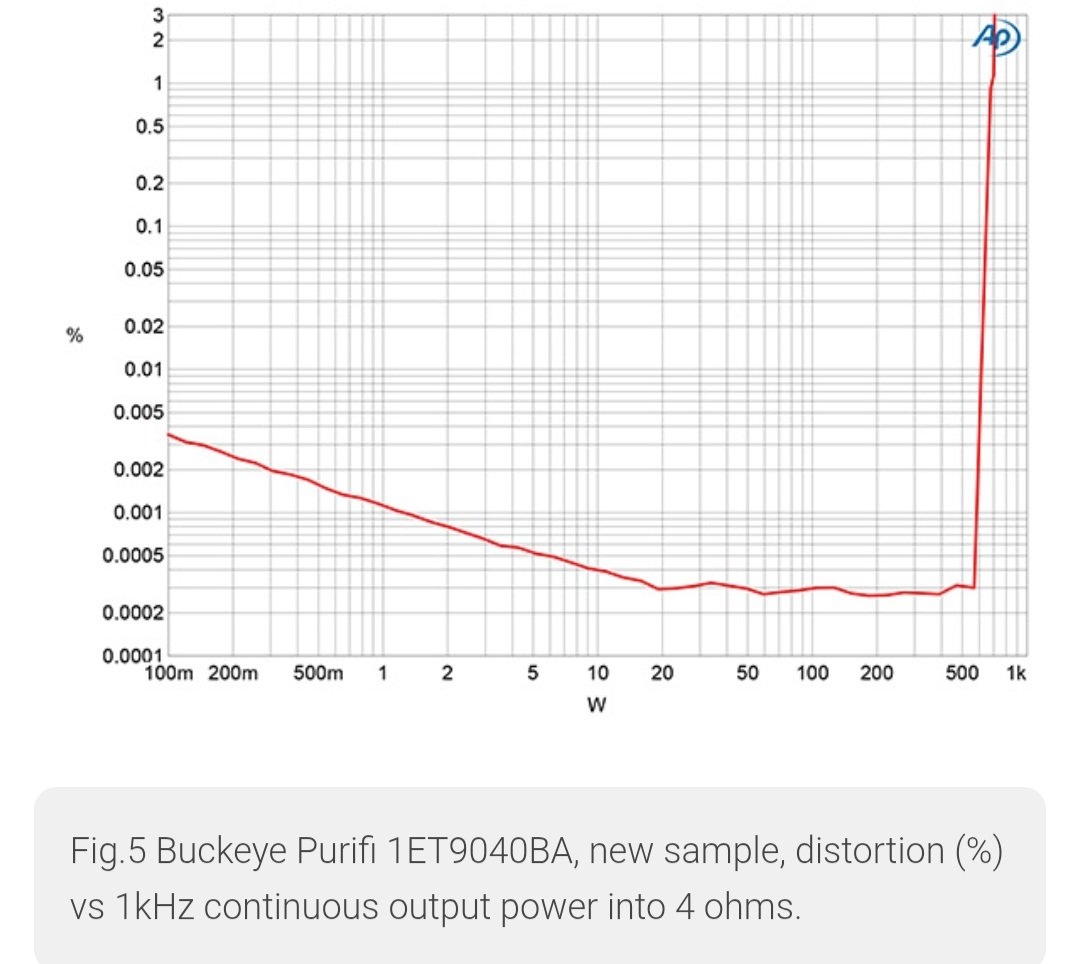
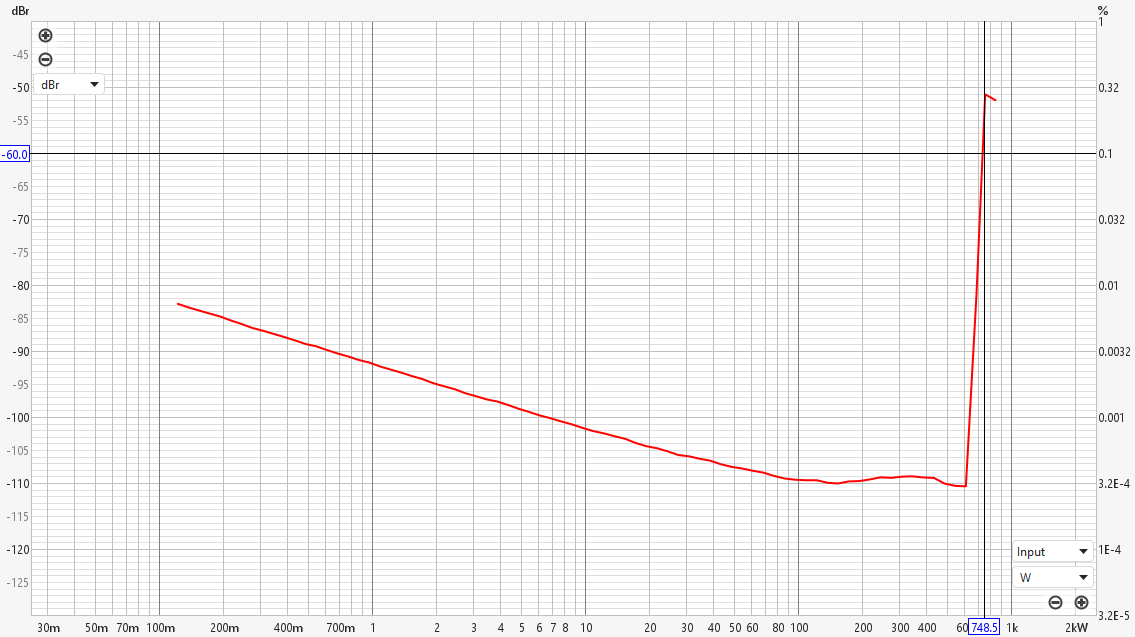
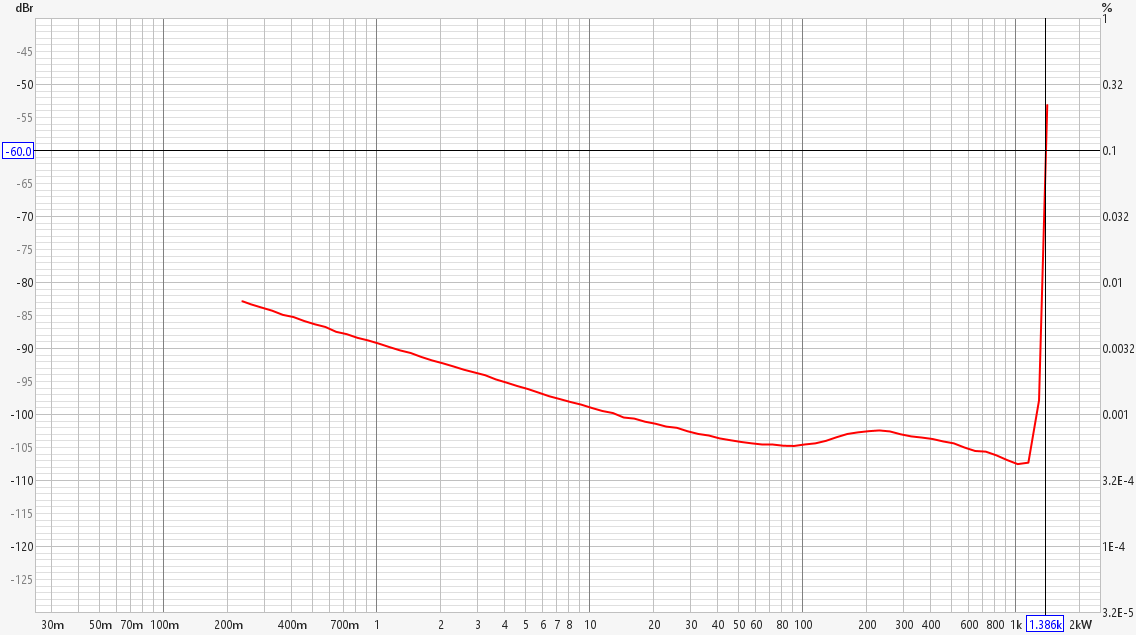
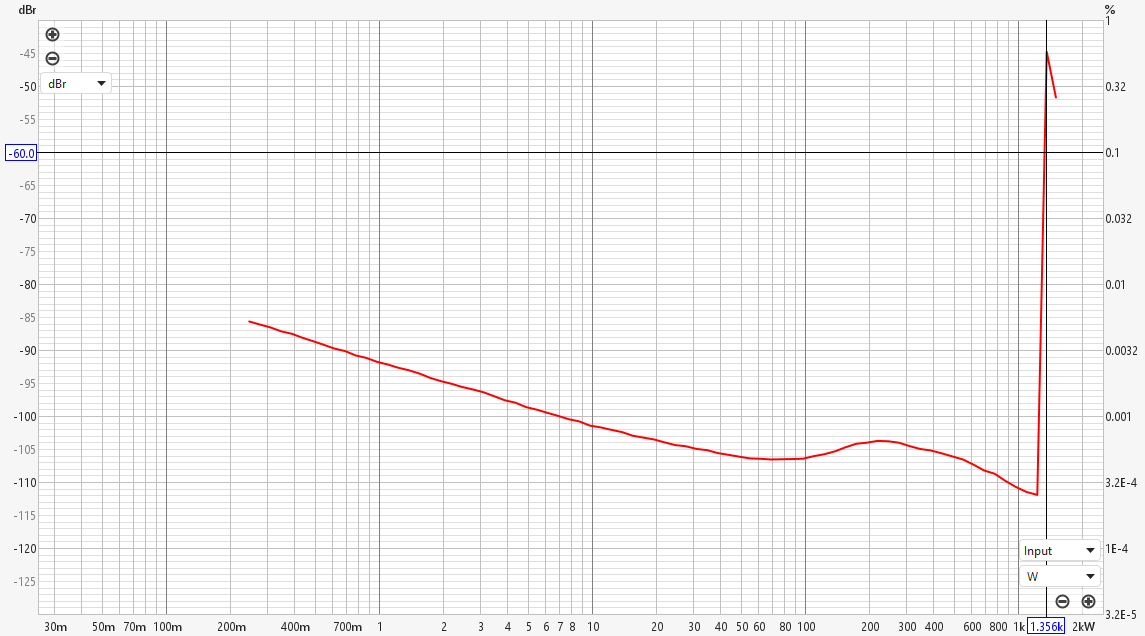
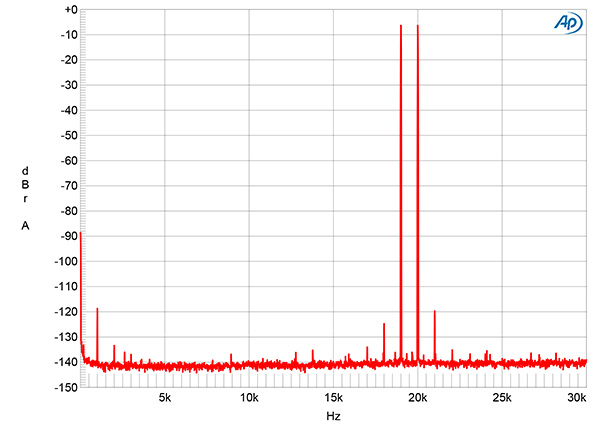
Stereophile re-measured the amps. Seems issues were fixed.
That's great. Hopefully Buckeye have learned a lesson about quality control and the need to actually test amplifiers on the production line. Somehow I doubt it.
The stereophile re-tests confirm they dont reach the claimed rated power, as predicted all along.
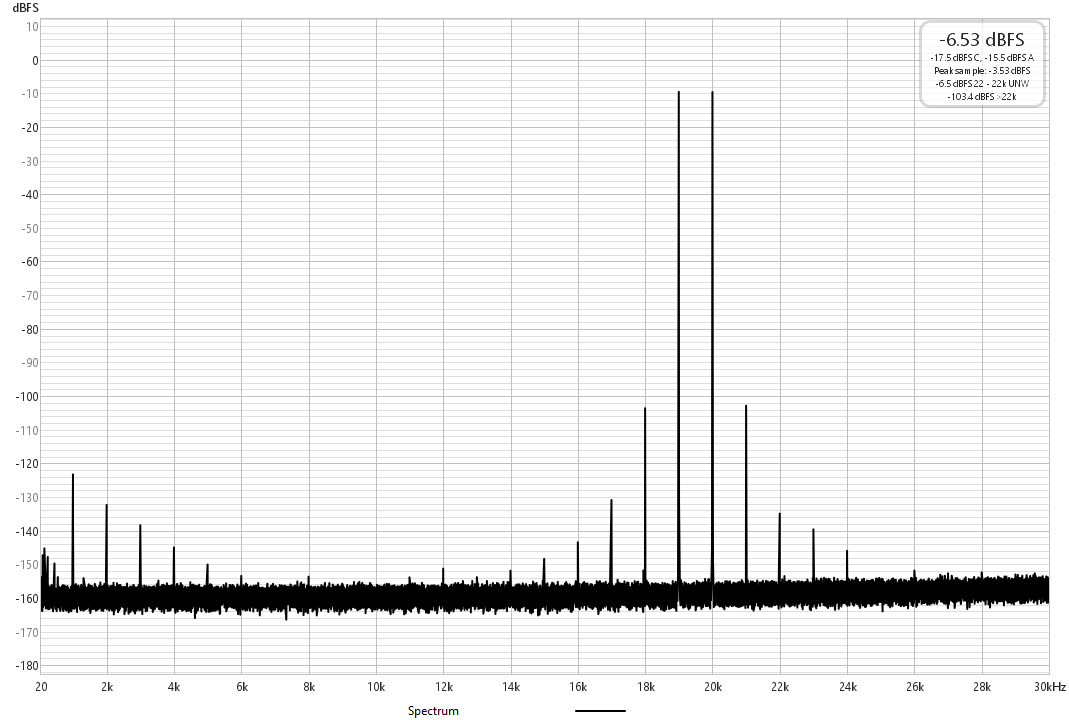
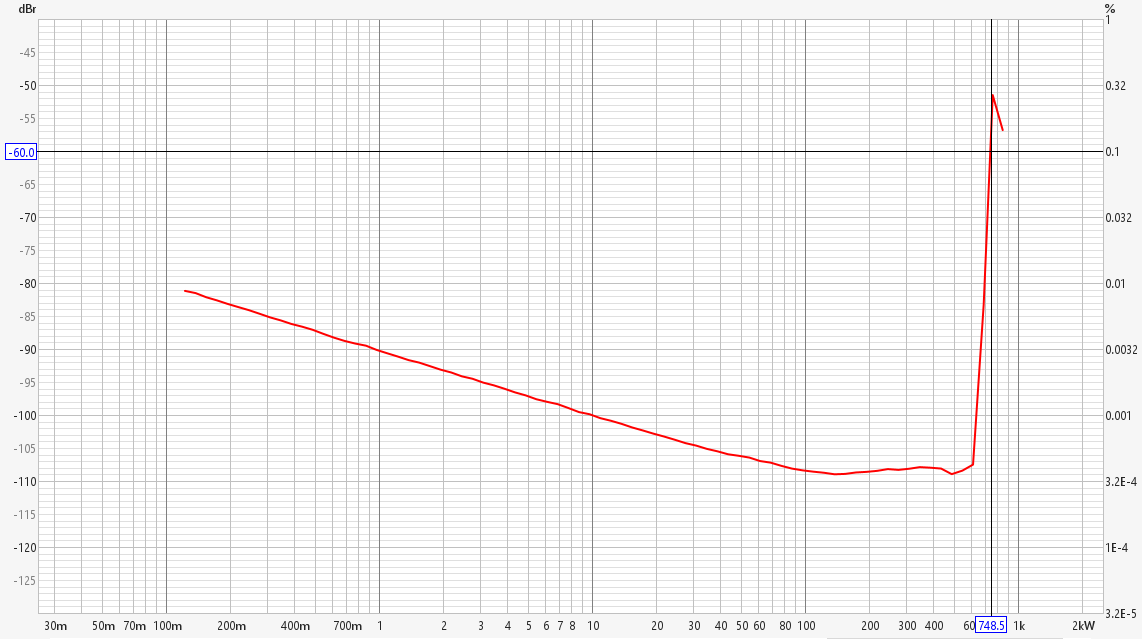
Power at 0.1% thd+n is less than 650 watts into 4 ohms. Thats 100 watts or 14% less than what they claim on their website and what the Purifi module is capable of.
Stereophile say 690 watts but that's at what they call "clipping" which is 1% thd+n. They also say the 2 ohm power is 1200 watts at clipping or 1% thd+n. This means that 0.1% it will be more like 1100 watts. Not the claimed 1200 on the website. This is 300 watts below the Purifi modules rating. The Buckey power specs on their website are at 0.1% thd+n. They dont achieve the claimed power at 1% thd+n.
The Hypex PSU is quite inadequate for the job and the Buckeye website is showing misleading data.
Alan Marchwrote:
…
The impression of being quieter (something many comment on and which I agree) is probably more to do the slope and smoothness of the sound power and in room response. This is where many speakers fail. They sound harsher which seems louder is certainly more fatiguing.
Maybe.
One could put some non-linear “effects box” in the system and add harmonics, and do some A/B testing.
But once “the spray of harmonics” is in there, then it is impossible to remove them.
So it is better to start with a system that doesn’t have them and is quiet.
Maybe.
One could put some non-linear “effects box” in the system and add harmonics, and do some A/B testing.
But once “the spray of harmonics” is in there, then it is impossible to remove them.
So it is better to start with a system that doesn’t have them and is quiet.
Please forgive me for a lack of fully understanding the contents of the above paper.
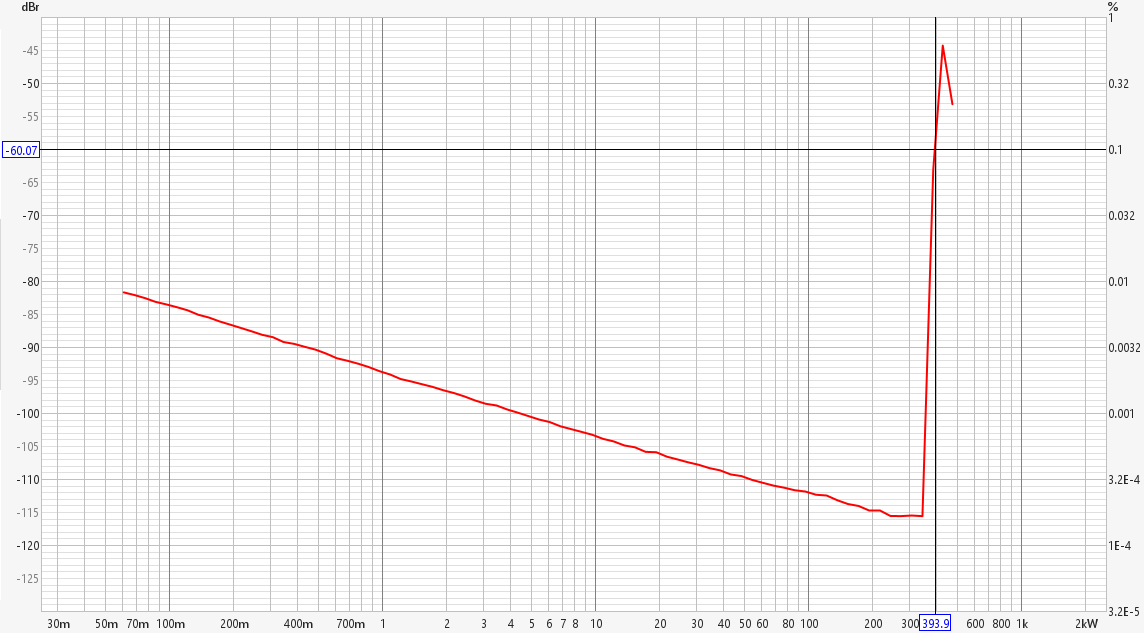
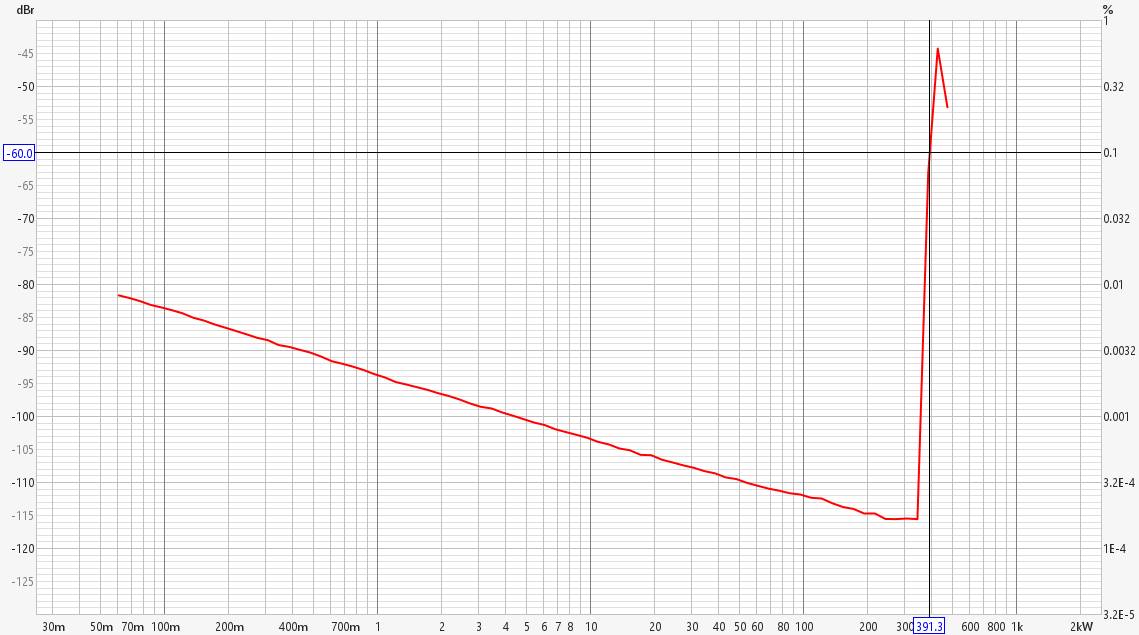
With regard to the linear/non linear distortions applied in the blind test... Would the paper have any relevance when, in the case of March amplifiers, distortions are below -110dB?
Again, forgive me if I'm misunderstanding something.
SCPB1967wrote:
Please forgive me for a lack of fully understanding the contents of the above paper.
If the amps and the speaker are low distortion, then the system can sound quieter than a SPL says.
To this Alan and I agree.
The cause of it is where we disagree.
SCPB1967wrote:
With regard to the linear/non linear distortions applied in the blind test... Would the paper have any relevance when, in the case of March amplifiers, distortions are below -110dB?
Again, forgive me if I'm misunderstanding something.
Maybe just a speck above none…
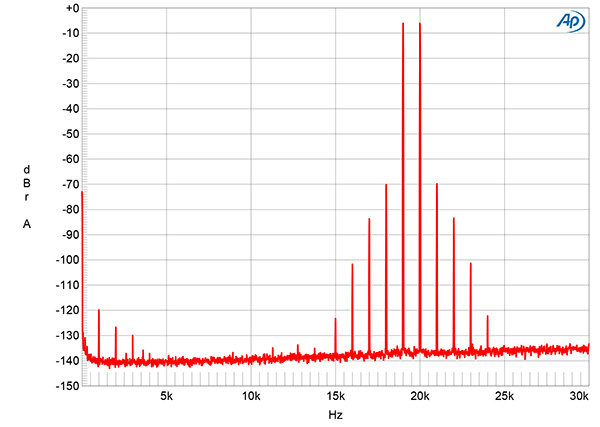
(But we would have to see the harmonic distortion plot of the amps.)
And if it was down at 60dB and mostly second harmonic then it would sound great.
It is the higher order (and odd) harmonics that people find that they dislike.
One takeaway point is that historically people cranked it up until it sounded distorted and backed it off, or turned it down only when the coppers showed up.
The speaker when combined with the his amp or many other similar amp with not allow one to turn it till it sounds bad as an indicator of loudness. There can be loud, even when they do not sound loud. To the point of OSHA or WSA levels of limited exposure.
Maybe.
One could put some non-linear “effects box” in the system and add harmonics, and do some A/B testing.
But once “the spray of harmonics” is in there, then it is impossible to remove them.
So it is better to start with a system that doesn’t have them and is quiet.
Thanks for doing the leg work and finding this article. It's an interesting piece of research but I agree with @SCPB1967 in that I dont see the relevance to the discussion regarding "euphonic distortion".
The paper discusses the effect of distortion on the perception of loudness. It doesn't indicate that people liked the distorted version more. Also loudness is only one aspect of subjective preference. Loudness, in itself, is not an indicator of subjective preference.
Also, the paper is extremely vague in its description of how the music signals have been distorted.
For example "hard clipping", one description of the signal in the listening test, is a massive level of THD. Definitely over 1% THD (-40dB) and probably much more. Overtly audible. Sure this may be perceived as louder, but if any listener found it pleasant I would be utterly shocked.
SCPB1967wrote:
Please forgive me for a lack of fully understanding the contents of the above paper.
With regard to the linear/non linear distortions applied in the blind test... Would the paper have any relevance when, in the case of March amplifiers, distortions are below -110dB?
Again, forgive me if I'm misunderstanding something.
The discussion is really around @Holmz assertions that distortion can be euphonic and people can like it.
The paper doesn't support this assertion. My experience is that distortion is not euphonic. I can't recall seeing any proper research that supports the assertion, so if anyone knows of research that does, I would be very interested in reading it.
As I said previously, this is now a good result. However its a shame they never did any testing and discover the problem prior to shipping the amp off for review at Stereophile. Its pretty amateur, as is not testing amps generally on the production line.
Alan Marchwrote:
As I said previously, this is now a good result. However its a shame they never did any testing and discover the problem prior to shipping the amp off for review at Stereophile. Its pretty amateur, as is not testing amps generally on the production line.
True and that was a head scratcher for me as well. As its said, first impressions last the longest, and this put the company in a bad light.